Throttle Towns: How Bikers and Builders Are Quietly Bringing Dead Rust Belt Cities Back to Life
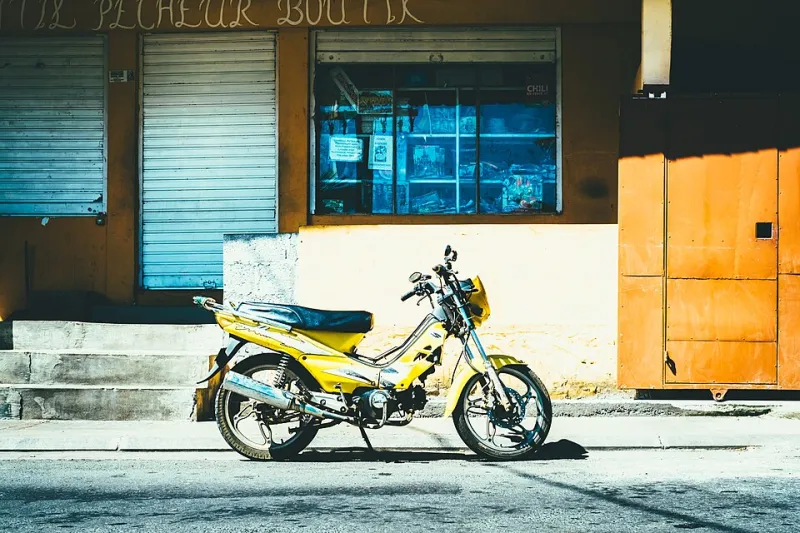
Photo: Simson Petrol simson_petrol, CC0, via Wikimedia Commons
Drive through Newcomerstown, Ohio on a Tuesday afternoon and you might not think much is happening. The storefronts along the main drag are a patchwork of occupied and vacant. A grain elevator towers over the east end of town. The population peaked sometime before most people reading this were born.
But pull into the gravel lot behind a converted warehouse on the edge of the commercial district and the story changes fast. Inside, three guys are deep into a frame-off restoration of a 1952 Indian Chief. A fourth is on the phone arguing about a carburetor shipment. The walls are lined with vintage motorcycle memorabilia, hand-painted signs, and a whiteboard covered in build notes. This place — Ironbound Cycles — didn't exist five years ago. Now it anchors a small but growing cluster of automotive businesses that are, slowly and surely, giving this town a new reason to exist.
Newcomerstown is not unique. It is, in fact, part of a pattern.
The Math That's Changing Everything
The economics driving this movement are pretty straightforward. In cities like Columbus, Cleveland, Denver, or Portland, a commercial shop space runs anywhere from $18 to $30 per square foot or more. In towns like Newcomerstown, Conneaut, or Galion — places that lost their industrial anchors decades ago — that same square footage can cost $3 to $6. Sometimes less.
For a motorcycle restorer or a custom fabricator, that math is transformative. The overhead difference between running a shop in a major metro and running one in a small Rust Belt town can mean the difference between scraping by and actually building something sustainable.
"I looked at spaces in Akron for two years," says Dominic R., the founder of Ironbound Cycles. "Everything I could afford was either too small or in a neighborhood where I'd get broken into every other month. My buddy mentioned Newcomerstown. I came down, looked at this building, and signed a lease two weeks later. The rent is what I used to pay for a storage unit."
Dominic brought three full-time employees with him when he relocated. Two of them moved their families to town. The ripple effect was small — but in a place with a population under 4,000, small ripples matter.
More Than Just Cheap Real Estate
The financial angle is only part of the story. Talk to the people who've made these moves, and something else comes up consistently: authenticity.
There's a version of car culture that's been polished, curated, and Instagram-optimized into something that feels more like a lifestyle brand than an actual way of life. Expensive coffee at the morning cars-and-coffee. Builds that are more about clout than craft. Events that feel like trade shows with better lighting.
The Rust Belt doesn't have that problem. What it has is a genuine, working-class relationship with mechanical things — a cultural memory of making and fixing and building that never fully went away even when the factories did.
"People here grew up with this stuff," says Carla M., who opened a vintage parts shop in Conneaut, Ohio, after years of running an online-only business out of her garage in Pittsburgh. "Their dads worked on cars. Their grandfathers worked in the plants. When I talk to locals about what I do, they get it immediately. There's no explaining needed. That's rare."
Carla's shop, All Points Parts, has become something of a community hub. Local retirees stop in to talk shop. High school kids come by after school to watch her work. She's started hosting informal Saturday sessions where anyone can bring a project car question and get honest advice. It's not a class. It's not a brand activation. It's just people who care about the same things, in the same room.
The Weekend Ride Effect
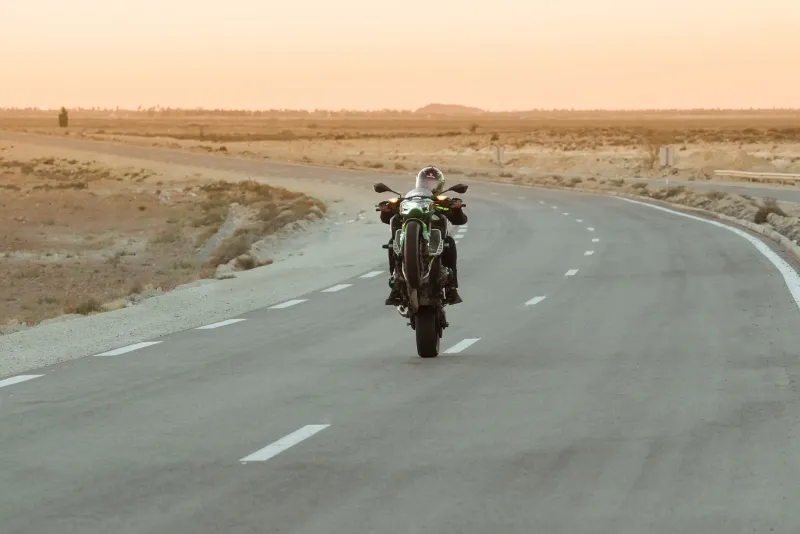
One of the more visible signs of this transformation is the rise of motorcycle ride events anchored in these towns. What started as informal group rides organized through Facebook groups and local club networks has, in several cases, grown into genuine annual events that draw hundreds of participants and real tourism dollars.
The Tri-County Rumble, held every September in a cluster of small towns in western Pennsylvania, started in 2018 with about 60 riders. Last year's event drew over 800. Local restaurants sell out. The one motel in the nearest town books solid weeks in advance. A hardware store owner in Mercer, Pennsylvania, told a local paper that the weekend of the Rumble was his third-highest revenue weekend of the year.
"Nobody planned this," admits Ray S., one of the original organizers. "We just wanted to ride some good roads and eat some good food with people we liked. The towns needed something, and we needed somewhere to go. It kind of found itself."
That organic quality is something these events share. They haven't been manufactured by a tourism board or engineered by a marketing firm. They grew because the roads in these regions are genuinely excellent riding territory — rolling hills, light traffic, curves that reward attention — and because the towns along the way are cheap to visit and happy for the company.
What the Towns Get Back
The relationship isn't one-directional. The towns that have leaned into this emerging identity are finding real returns.
In Galion, Ohio, a decommissioned industrial building sat vacant for eleven years before a collective of automotive restorers and fabricators negotiated a long-term lease with the city. The building now houses seven small businesses. The city gets tax revenue and foot traffic. The tenants get space they couldn't afford anywhere else. The local diner two blocks away added weekend hours because the demand finally justified it.
None of this is a silver bullet. These towns have deep structural challenges that a few motorcycle shops and weekend ride events aren't going to solve. But what's happening is real, and it's building something — a new layer of identity on top of the industrial one that faded.
"This place has always known how to make things," says Dominic back in Newcomerstown, gesturing at the Indian Chief frame on the stand in front of him. "We're just making different things now."
Plan Your Own Rust Belt Ride
If this has you thinking about routing a trip through some of these towns, you should. The riding in the Ohio River Valley, across western Pennsylvania, and through upstate New York is seriously underrated — long stretches of two-lane blacktop, genuine diners, zero traffic, and more character per mile than most of the more famous routes you've probably already done.
Look for the towns with the old water towers and the grain elevators and the one main street that time seems to have half-forgotten. There's a decent chance that somewhere in there, somebody's got a garage door open and something worth seeing on the lift.
That's where the real culture lives. It always has been.