No Invite, No Entry: Inside the Underground Car Meet Scene That's Writing Its Own Rules
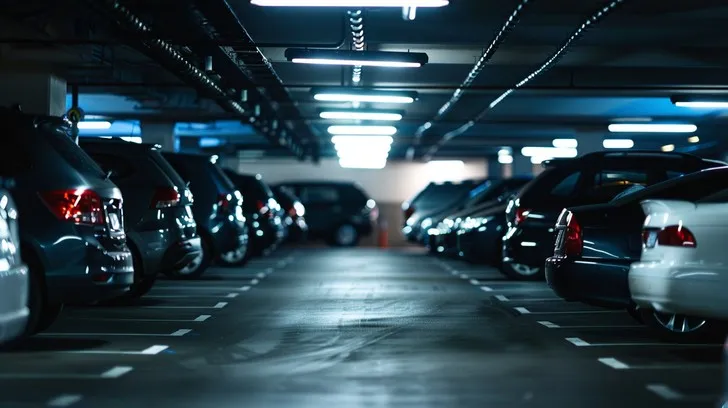
Photo: underground car meet night parking lot muscle cars gathering urban USA, via images.stockcake.com
Before the sponsors showed up, before the Instagram grids and the livestreams, there were the meets. Parking lots at 2 a.m., warehouse districts, desert airstrips — places where the only credential that mattered was what you pulled up in and how you carried yourself. That world still exists. And it's more alive than the mainstream will ever know.
American car culture has always had two faces. There's the version that shows up in glossy magazines and at convention center auto shows — curated, corporate, safe. And then there's the version that happens in the margins, in the spots that don't have mailing lists or ticket booths. The underground car meet scene is that second version. It's where the culture actually breathes.
How It Works (And Why We Won't Tell You Everything)
Let's be straight about something: the underground meet scene operates the way it does precisely because most of it stays off the record. Locations circulate through Signal group chats and word-of-mouth chains. Dates shift. Spots get burned and abandoned. The whole ecosystem is built on a kind of deliberate obscurity that keeps the energy pure and the wrong crowds out.
What we can tell you is the shape of it.
In the Pacific Northwest, the scene runs heavy on JDM builds — Supras, Silvias, the occasional clean AE86 that someone's been quietly perfecting for a decade. Meets happen in industrial corridors outside Portland and in the shadow of Seattle's shipping infrastructure, where wide concrete and minimal foot traffic create natural gathering points. The vibe is technical. People talk about builds here. Specs matter. A stock car with a good driver gets more respect than a modified one with a clueless owner.
Drop south into Southern California and the calculus shifts entirely. The LA scene is stratified in ways that reflect the city itself — there are meets for the lowrider community, meets for the import crowd, meets for the exotic money that flows through Beverly Hills and Bel Air, and then the sprawling, chaotic free-for-alls in the Inland Empire that blur all those lines simultaneously. The Pomona swap meet has fed into car culture here for generations. So has the influence of Chicano lowrider tradition, which carries its own codes, its own aesthetics, and its own deep history that the mainstream automotive media consistently undervalues.
Texas operates on a different scale altogether. The state's sheer size means regional scenes in Houston, Dallas, Austin, and San Antonio have developed distinct personalities. Houston's scene skews toward heavily customized American muscle and trucks — don't underestimate the truck culture here, it's as serious as anything on four wheels in the country. Austin draws a younger, more eclectic crowd that mixes vintage Japanese imports with restomod American iron. San Antonio has one of the most authentic lowrider communities in the country, full stop.
The Unwritten Code
Every underground meet runs on rules that nobody posts anywhere but everybody knows. Violate them and you won't be told to leave — you just won't be invited back. In a scene built on personal networks, that's a permanent consequence.
The first rule is respect for the spot. You don't leave trash. You don't burn out on residential streets getting there or leaving. You don't bring the kind of attention that ends a location for everyone. The spots that last are the ones where the surrounding community either doesn't notice or actively doesn't mind. The moment that changes, the meet moves.
The second rule is respect for the cars. You don't touch what isn't yours without asking. You don't lean on hoods. You don't offer unsolicited opinions about someone's build unless you've established a relationship that earns that conversation. The cars are personal in a way that outsiders consistently underestimate.
The third rule — and this is the one that separates the real scene from the performative version — is that authenticity matters more than money. A $400 beater that someone has poured genuine knowledge and labor into will earn more room in this world than a six-figure car that got handed to someone with a credit card and no actual connection to the culture. This isn't universal. There are meets where money is the whole point. But in the communities that have been around the longest, the ones that actually shape where the culture goes, what you know and how you got there counts for more than what you spent.
How the Underground Shapes the Mainstream
Here's the thing that the corporate automotive world has figured out, even if they won't admit it: the underground meet scene is where taste gets made.
The aesthetic trends that show up in manufacturer design studios and aftermarket catalogs three years from now are already circulating in parking lots tonight. The wheel fitment trends, the color palettes, the build philosophies — they percolate up from the grassroots with a lag that the industry has learned to watch for. Some of the most influential figures in the American aftermarket have their roots in exactly these kinds of scenes. They weren't discovered. They built credibility over years of showing up, knowing their stuff, and earning trust in communities that don't hand it out easily.
Social media has complicated this relationship in ways the scene is still working out. On one hand, platforms like Instagram have let builders reach audiences that would have taken a decade to cultivate through traditional channels. On the other hand, the visibility that comes with that reach is exactly what undermines the underground quality that made those builders interesting in the first place. The tension between exposure and authenticity is constant, and different communities have landed in different places on it.
Some scenes have gone deliberately dark — scrubbing location tags, keeping accounts private, vetting followers the way you'd vet someone for a meet. Others have leaned into the exposure and found ways to maintain their identity through the quality of the work rather than the secrecy of the location.
Finding Your Way In
If you're reading this hoping for a list of coordinates and dates, you've missed the point. That's not how this works, and it's not how it should work.
What we will tell you is this: the door into any legitimate underground car community opens the same way it always has. You show up consistently to whatever public-facing part of the culture exists in your area — the legal car shows, the cruise nights, the parking lot hangouts that don't require a secret handshake. You learn before you talk. You're useful before you're loud. You bring something real, whether that's knowledge, skill, a genuine build, or just the kind of steady presence that tells people you're actually here for the cars and not the clout.
The invite comes when it comes. And when it does, you'll understand why it took that long.
The underground car meet scene isn't hiding from you. It's just waiting to see if you're worth finding.