Just You and the Yellow Line: The Case for Going It Alone on the Road
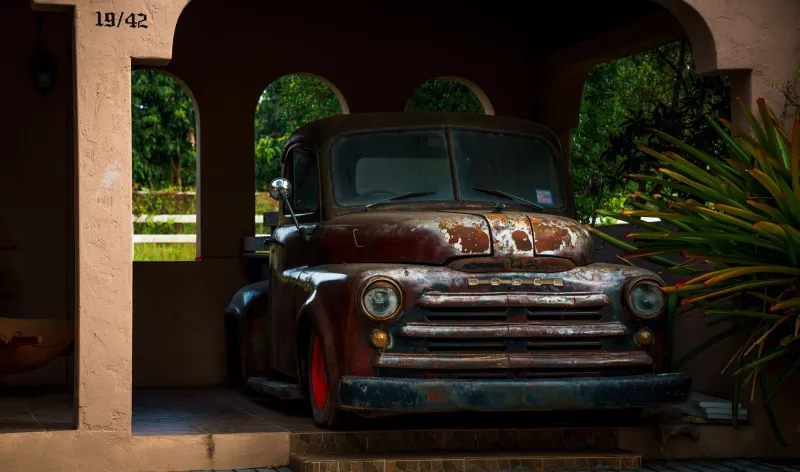
Somewhere outside of Flagstaff, Arizona, on a Tuesday morning in late October, I pulled my truck over on a two-lane stretch of Route 89 and just sat there. No particular reason. Nobody waiting on me. I ate gas station beef jerky and watched a hawk work a thermal above the red rock and didn't say a single word to another human being for about forty-five minutes. It was, without exaggeration, one of the best moments of that entire year.
I'm not sure I could've told you why at the time. But I've been thinking about it since, especially as I keep noticing more and more people in the car and moto community talking about the same thing — solo trips, solo rides, choosing to go alone not out of necessity but out of genuine preference. Something is shifting in how we think about the road.
The Group Ride Isn't Dead, But It's Not the Only Story
Car culture in America has always had a communal dimension. Cruise nights, car shows, group rides through the mountains — there's real joy in sharing the road with your people. That's not going anywhere. But alongside it, a quieter tradition has been gaining ground: the lone driver, the solo tourer, the one who loads up and points the wheel somewhere without running it through a group chat first.
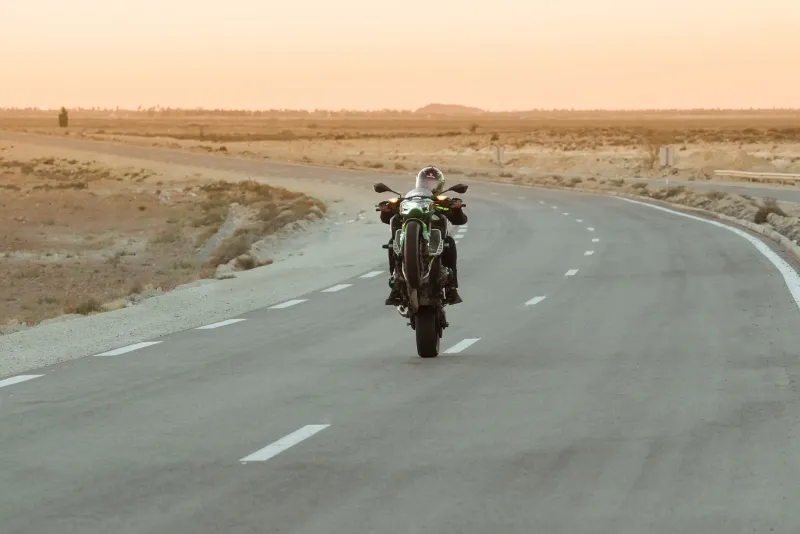
Motorcycle culture has a long history with this. The image of a single rider disappearing into the horizon is practically iconographic at this point. But it's spreading beyond bikes. Truck campers heading out alone for weeks. Sports car owners doing solo canyon runs at dawn before the roads fill up. Commuters who've started taking the long way home just to have twenty extra minutes of uninterrupted thought.
The reasons are different for everyone, but the common thread is striking: people are using their vehicles as a deliberate retreat from noise.
What the Silence Actually Does
Psychologists have a term for it — restorative environments. Spaces that allow the brain to recover from the constant low-grade taxation of modern life. Open roads, particularly in rural or natural settings, tend to function this way. The rhythm of driving — monitoring speed, reading the road, making small constant adjustments — occupies just enough of the conscious mind to let the rest of it decompress.
For motorcycle riders, this effect can be even more pronounced. Riding demands a level of presence that doesn't leave room for rumination. You can't spiral into work anxiety when you're leaned into a curve at sixty miles an hour and paying attention to your lane position, your following distance, and the gravel at the shoulder. The road forces you into the moment in a way few other experiences can match.
"I started riding solo because my schedule didn't match anyone else's," says Dana Reyes, a nurse from outside Denver who tours on a BMW GS. "But then I realized I actually preferred it. I stop when I want, I push when I want, I process things I didn't even know I needed to process. I come back from a solo weekend feeling like I had a week of therapy."
That's not a unique sentiment. Talk to enough solo riders and drivers and you start to hear the same language over and over — clarity, reset, perspective. The road as a tool for mental maintenance.
The Lone Wolf Has New Gear
Going solo doesn't mean going unprepared, and the market has responded to a generation of independent travelers who want self-sufficiency without sacrificing comfort or safety.
For motorcyclists, communication systems like the Sena 50S let solo riders stay connected to navigation audio without the distraction of a passenger conversation. Lightweight, packable luggage systems from brands like Kriega and SW-Motech have made it easier than ever to carry everything you need without a support vehicle. And apps like iOverlander and Roadtrippers have essentially replaced the old need for a co-pilot with a paper map.
For solo car campers, the explosion of truck bed tents, rooftop setups, and compact overlanding rigs has made it practical to disappear for a week with minimal planning. A cooler, a good sleeping setup, and a reliable rig — that's the whole formula for a lot of people.
Safety-wise, solo travel has gotten smarter too. Satellite communicators like the Garmin inReach Mini give riders and drivers a genuine SOS option in areas without cell service, which removes one of the biggest legitimate concerns about going alone into remote territory.
The Social Media Paradox
Here's a funny wrinkle in all of this: many of the people most vocal about the solo travel lifestyle are sharing it extensively online. There's a whole genre of solo moto content — long-form YouTube vlogs, Instagram reels of empty highways, Reddit threads about the best routes for a solo run through the Ozarks or the Blue Ridge.
At first glance, that seems contradictory. But it actually makes sense. The trip itself is solitary. The sharing happens after. And for a lot of people, the online community around solo travel has become its own kind of connection — swapping route intel, recommending campgrounds, talking through gear choices. You're alone on the road, but you're not alone in the culture.
It also, honestly, makes solo travel feel more accessible to people who haven't tried it yet. Seeing someone else do a solo run through the desert Southwest or up the Pacific Coast Highway and come back talking about how it changed their perspective — that's a powerful invitation.
Why You Should Go Alone at Least Once
If you've never done a solo trip — whether that's a weekend motorcycle run, a solo drive through a stretch of country you've always wanted to see, or just a long afternoon on roads you've never taken — it's worth doing before you form a strong opinion about it.
You'll discover things about how you drive, how you think, and what you actually want from the road that group travel tends to obscure. You'll stop at things that interest only you. You'll push further than you planned, or stop earlier, and neither will require an explanation.
The road has always been a place where Americans go to figure something out. Sometimes the clearest version of that is just you, your machine, and wherever the yellow line leads.
Everyone else can catch up later.