Riding Into Forever: The Deeply Personal Art of Choosing Your Last Machine
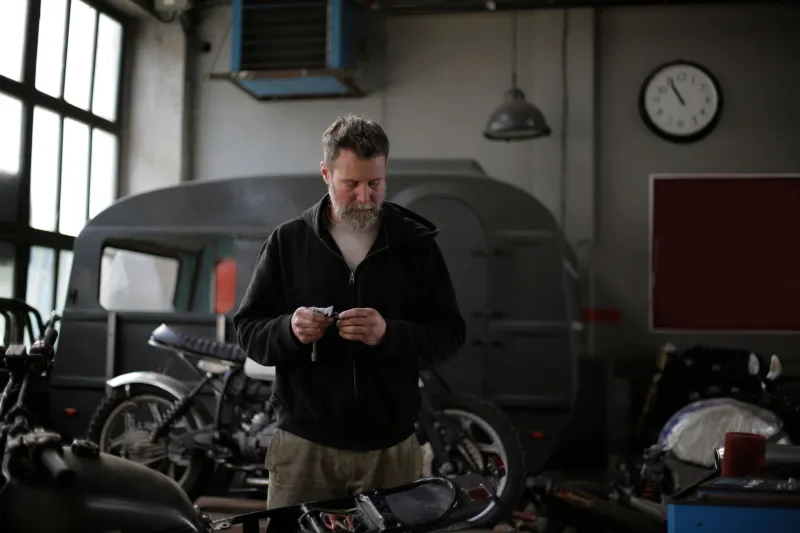
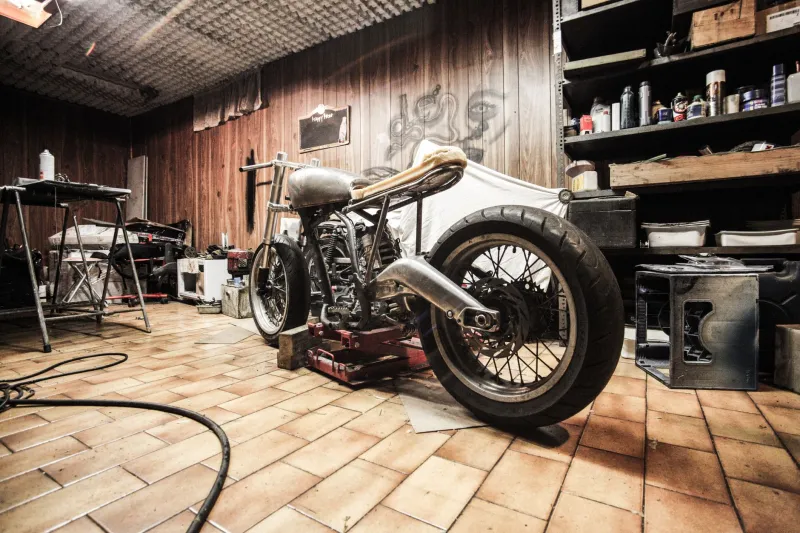
There's a conversation that happens in garages across America that almost never gets talked about outside of them. It usually starts somewhere between a third cup of coffee and a long pause. A guy in his late sixties — maybe older — runs a hand along a tank and says something like, "This one's gonna be the one I go out on." Nobody laughs. Nobody argues. Everyone in the room just nods, because they understand exactly what he means.
Choosing your last motorcycle isn't morbid. At least, it doesn't feel that way to the people doing it. It feels like the most honest thing a rider can do.
When the Road Starts Talking Back
Most of us don't want to admit that riding has a natural arc. You start out reckless, survive a few close calls, get smarter, get slower, get wiser. For a lot of dedicated riders, there comes a moment — sometimes gradual, sometimes startlingly clear — when the body starts negotiating with the passion. Knees that ache after a long stint in the saddle. Reaction times that aren't quite what they used to be. A partner who doesn't say anything but whose eyes say everything.
That moment isn't the end of riding. But for some, it's the beginning of a very intentional chapter.
Rick Darnell, a 71-year-old retired ironworker from outside Knoxville, Tennessee, spent the better part of two years searching for what he calls his "send-off bike" before landing on a restored 1978 Shovelhead that he's been slowly personalizing ever since. "I didn't want something new," he says. "I wanted something that felt like me. Something that had already lived a little."
That's a sentiment you hear a lot when you start pulling on this thread. The final machine isn't just transportation. It's a statement.
Legacy on Two Wheels
There's something almost ritualistic about the way veteran riders approach this decision. They're not shopping — they're curating. Every detail matters in a way it maybe didn't when they were younger and just wanted something fast and loud. Now they're thinking about the color, the stance, the sound. They're thinking about what the bike will look like sitting in a driveway, what stories it'll carry, and — quietly, honestly — what it'll mean to whoever inherits it.
For some riders, the last bike is a throwback. A model they always wanted but never could afford. A machine that connects them to a younger version of themselves, or to a friend they lost, or to a road they used to run every summer. For others, it's something entirely custom — built from scratch or pieced together over years, so that when it's done, there's no other bike like it on the planet.
Carla Maines, a 64-year-old rider and former AMA club member from Albuquerque, has been building her final bike in her garage for three years. It's a stretched chopper with hand-painted panels that tell the story of her riding life — places she's been, people she's ridden with, a memorial to her late husband on the left side of the tank. "When I can't ride anymore," she says, "I want that bike to still be telling my story. I want people to look at it and know who I was."
That's the word that keeps coming up. Story.
The Financial Calculus of a Final Machine
There's also a practical side to this that riders don't shy away from. Choosing a last bike often involves a deliberate financial decision — sometimes the biggest discretionary spend a person makes in retirement. Some riders pull money from savings they've been sitting on for decades. Others sell off previous bikes, tools, gear, parts collections. It's a consolidation. A distillation of everything they've accumulated in a life of riding, poured into one final expression.
And that changes how they spend. They're not cutting corners. They're not settling for close enough. If the seat needs to be custom, it gets custom. If the exhaust note isn't right, they keep hunting. Because when you know this is the last one, "good enough" stops being acceptable.
Dealerships that cater to older, experienced riders have noticed this shift. Longtime customers who were always practical, always budget-conscious, suddenly come in ready to spend — not recklessly, but deliberately. They know what they want. They've been thinking about it for years.
What the Community Sees
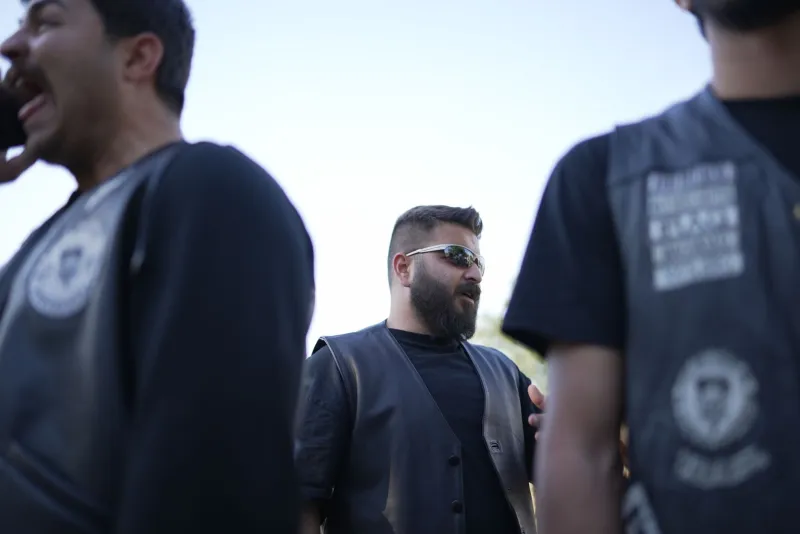
Here's the thing about motorcycle culture that outsiders often miss: the community watches. Not in a judgmental way — more like a witnessing. When a long-time rider shows up at a rally or a meet with a new bike and says it's the last one, people pay attention. They ask questions. They listen to the story behind every choice. They understand they're being let in on something sacred.
And when that rider eventually hangs up their helmet for good, the bike becomes a kind of monument. It gets passed to a son or daughter, donated to a club, displayed in a shop. Sometimes it gets ridden again — carefully, respectfully — by someone who understands the weight of what they're sitting on.
That's not something that happens with cars or trucks or boats. There's a particular intimacy between a rider and a motorcycle that makes this tradition uniquely powerful. You don't just drive a bike. You wear it. You feel everything it feels. And when you choose the last one, you're choosing the last thing that's going to feel that way.
Riding Out on Your Own Terms
Maybe what's most striking about this whole phenomenon is how much peace the people involved seem to carry. There's no grief in it — not really. There's clarity. There's intention. There's the quiet satisfaction of a person who has lived fully and wants to close that chapter with the same commitment they brought to opening it.
Rick Darnell puts it simply: "I've been riding since I was nineteen. That's over fifty years. I figure I've earned the right to go out exactly the way I want to."
He's not wrong. And somewhere in America right now, in a garage lit by a single work light, somebody else is making the same decision — turning a wrench, stepping back, and thinking: Yeah. This is the one.
Ride hard. Ride honest. And when the time comes, ride out on your own terms.